
Swedish vs Deep Tissue Massage: Your Body’s Cheat Sheet to the Right Choice
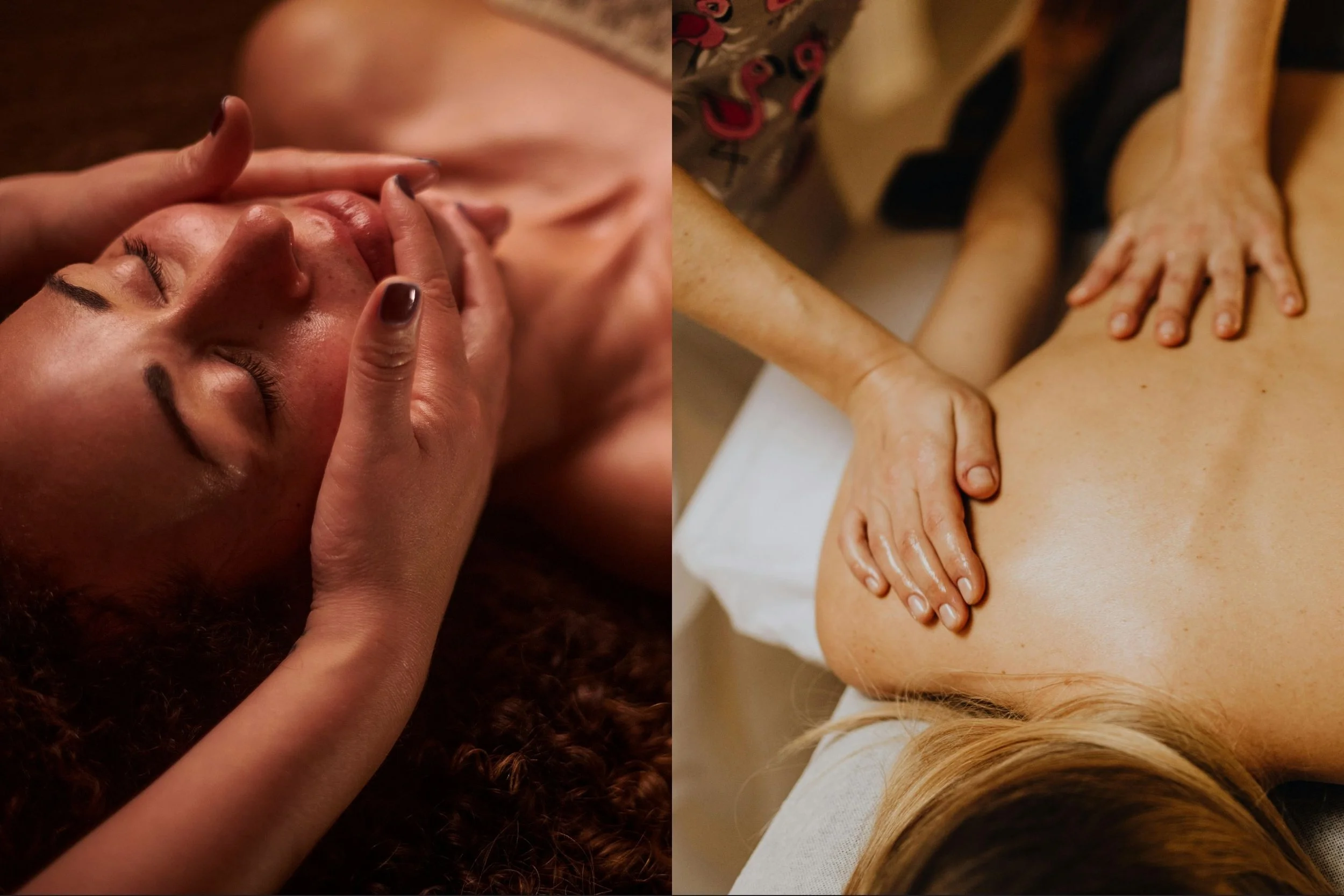
You're lying on a massage table, about to spend good money on an hour of relief. The therapist asks what kind of massage you want. You freeze. Swedish? Deep tissue? What's the actual difference, and which one will help with the knot in your shoulder that's been there since last Tuesday?
If you've ever stood in front of a massage menu feeling totally lost, you're not alone. Swedish vs deep tissue are two of the most popular massage styles out there. They sound similar enough to be confusing, but they work in completely different ways.
The good news? Picking the right one doesn't have to be complicated. Once you know what each style does, how they feel, and what your body actually needs right now, the choice becomes pretty clear.
Let's break it down.
What Is a Swedish Massage?
Swedish massage is the classic relaxation massage most people think of when they picture a spa day. It uses long, flowing strokes combined with kneading and circular movements to help your whole body unwind.
Here's what happens during a typical Swedish massage:
Long, gliding strokes (called effleurage) that warm up your muscles
Kneading motions (petrissage) that work out surface-level tightness
Circular pressure applied with fingertips or palms
Gentle tapping or rhythmic movements to stimulate blood flow
Passive stretching to improve flexibility
Swedish massage falls into the holistic relaxation category. It's designed to help your nervous system shift out of stress mode. After a session, you'll likely feel lighter, less anxious, maybe a little sleepy in the best way possible.
What Is a Deep Tissue Massage?
Deep tissue massage is more targeted. Instead of working your entire body with lighter pressure, your therapist focuses on specific problem areas using slow, deliberate strokes and sustained pressure.
Here's what deep tissue involves:
Slower strokes with more concentrated pressure
Work on specific muscle groups rather than full-body flow
Techniques that follow the direction of muscle fibers
Sustained pressure on trigger points (those tender spots that radiate pain when pressed)
Focus on areas with chronic tension, restricted range of motion, or old injuries
Deep tissue can feel intense. The pressure should be firm and sometimes uncomfortable, but it should never cross into sharp pain. If you're wincing or holding your breath, that's your body telling you it's too much. A good therapist will adjust.
The soreness you might feel afterward is different from the pain you feel during the massage. Mild muscle soreness for a day or two is normal, similar to what you'd feel after a workout. Sharp pain, bruising, or soreness that lasts more than a few days is not normal. That's a sign the pressure was too aggressive.
Swedish vs Deep Tissue Massage: The Real Differences
Let's get into the specifics so you can see exactly how swedish vs deep tissue massage styles compare.
| Feature | Swedish Massage | Deep Tissue Massage |
|---|---|---|
| Pressure Level | Light to medium pressure with smooth, flowing strokes. You should feel relaxed, maybe even drift off during the session. | Firm, sustained pressure. The therapist works slowly and deliberately, focusing on areas where tension has built up over time. |
| Purpose and Goals | All about relaxation. Helps reduce stress, improve circulation, ease general muscle tension, and calm your nervous system. | Problem-solving work. Targets chronic pain, knots, restricted movement, and specific areas that need more attention. |
| Techniques Used | Long, gliding strokes, kneading, circular motions, and rhythmic tapping. The movements are gentle and cover your whole body. | Slower, more focused strokes. Your therapist may use their elbows, forearms, or knuckles to apply deeper pressure. |
| Who It's Best For | People dealing with general stress, mild muscle tension, or anyone who just wants to relax. | People with chronic tightness, old injuries, restricted range of motion, or specific problem areas that won't seem to let go. |
| What You'll Feel Afterward | Relaxed, maybe a little sleepy, and generally more at ease. There's usually no soreness. Just a sense of calm and looseness in your muscles. | Some muscle soreness for a day or two, similar to after a good workout. Your muscles have been worked more deeply and need time to recover. |
How to Choose Between Swedish vs Deep Tissue Massage
The decision comes down to three things: your goal, your pain tolerance, and where you're holding tension.
Pick Swedish Massage If:
You want to relax and de-stress without intense pressure
You carry general tension across your whole body but don't have specific pain points
You're new to massage and want to ease into it
You find deep pressure uncomfortable or overwhelming
You're looking for a calming, meditative experience
Pick Deep Tissue Massage If:
You have chronic tightness in specific areas like your neck, shoulders, or lower back
You've tried lighter massage styles and they didn't reach the deeper layers of tension
You're dealing with restricted range of motion or old injuries
You're comfortable with firm pressure and can communicate when it's too much
You want targeted work on problem areas rather than full-body relaxation
Not Sure? Talk to Your Therapist
Here's the thing. You don't have to decide alone. Every massage therapist at a good clinic is trained to assess what your body needs and guide you toward the right style.
The clinic offers two families of care: holistic relaxation and therapeutic. Swedish tends to fall into the relaxation category, while deep tissue is more therapeutic. Your therapist will ask questions, check in about pressure, and adjust as needed. They're not locked into one technique. They can blend styles if that's what your body needs.
Common Myths About Swedish vs Deep Tissue Massage

Let's clear up some misconceptions that make people hesitate or choose the wrong style.
Myth: Deep Tissue Should Hurt To Be Effective
Nope. Deep tissue involves firm pressure, but it shouldn't feel like you're being tortured. If the pain makes you tense up or hold your breath, it's too much. Your muscles will actually resist the pressure instead of releasing. Speak up if it's uncomfortable.
Myth: Swedish Massage Is Too Light To Do Anything Useful
Not true. Swedish massage improves circulation, reduces stress hormones, eases muscle tension, and helps your nervous system relax. Just because it's gentler doesn't mean it's not working. Relaxation has real, measurable benefits for your body and mind.
Myth: You Have To Choose One or the Other for the Whole Session
Actually, a lot of therapists blend techniques. You might get Swedish-style flow across your back and legs, then deeper work on your shoulders where you carry the most tension. It's not always an either-or situation.
Myth: Deep Tissue Is Only for Athletes
Deep tissue is for anyone with chronic tightness or restricted movement. Desk workers who hunch over laptops all day often need deep tissue just as much as athletes. You don't have to be training for a marathon to benefit from targeted, therapeutic work.
What to Expect During Your Session
Here's a quick walkthrough so you know what to expect when you book.
Before the massage:
Your therapist will ask about your goals, any areas of pain or discomfort, and your pressure preferences
You'll undress to your comfort level and lie on a padded massage table under a sheet or towel
The room will be warm, quiet, and designed to help you relax
During the massage:
Your therapist will use oil or lotion so their hands glide smoothly across your skin
They'll check in about pressure, especially if you're getting deep tissue work
You can speak up anytime if something feels too intense or if you want more focus on a specific area
After the massage:
Take your time getting up. You might feel a little lightheaded or super relaxed
Drink water to help your body flush out metabolic waste that was released during the massage
If you had deep tissue, expect some mild soreness that should fade within a day or two
Sessions are available in 60-minute, 90-minute, or 120-minute lengths. If you're getting deep tissue and you have multiple problem areas, a longer session gives your therapist more time to work through everything without rushing.
So, Which Massage Should You Book?
If you're looking for relaxation, stress relief, and an overall sense of calm, Swedish massage is your best bet. It's gentle, soothing, and designed to help your whole body unwind.
If you're dealing with chronic tightness, specific pain points, or restricted movement, deep tissue is the way to go. It's focused, therapeutic, and built to address problem areas that lighter pressure can't reach.
Still not sure? That's totally fine. A good therapist will work with you to figure out what your body needs. The important thing is that you show up, communicate what you're feeling, and give yourself permission to prioritize your body's wellbeing.
Centre Thérapeutique Griffintown offers both Swedish and deep tissue massage as part of our therapeutic and relaxation-focused treatments. Every practitioner is a certified massage therapist and a member in good standing of professional massage therapy associations. They know how to assess your needs, adjust pressure, and guide you toward the right style.
Your body's been carrying tension for too long. Time to do something about it.