
Massage for Lower Back Pain: When Your Body Asks for Gentle Care
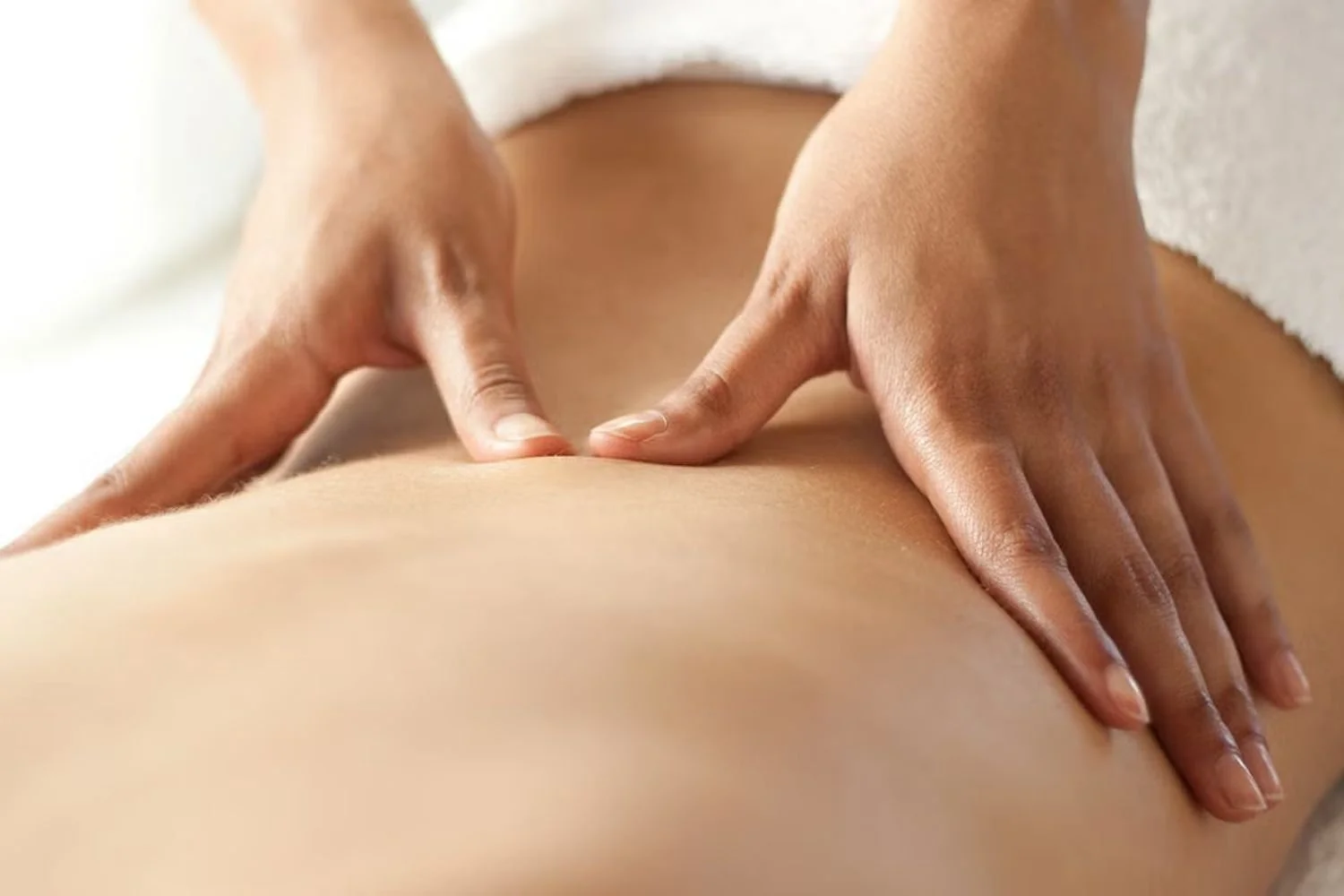
Lower back pain is one of those things that quietly takes over your whole day.
It starts as a dull ache after sitting too long, or a stiffness that shows up every morning without warning.
Then it becomes the thing you work around.
The reason you avoid certain chairs. The reason you get up slowly, stand carefully, and wonder how long this is going to last. A massage for lower back pain isn't just about short-term relief. It's about addressing the tension, restriction, and compensation patterns that have been building in your body, often for months.
This is exactly what therapeutic massage is designed to treat.
Can Massage Help Lower Back Pain?
For most people, yes. Massage therapy works directly on the soft tissue structures surrounding and supporting the lumbar spine. That includes the muscles, fascia, and connective tissue that tighten, pull, and brace when the body is under strain.
Where massage tends to be most effective:
Muscle-related lower back pain from overuse, prolonged sitting, or physical labour
Tension that builds around the hips, glutes, and sacrum and radiates into the lower back
Postural strain from long work hours or repetitive movement patterns
Stress-related muscle guarding, where the body stays contracted even at rest
Massage is not a substitute for medical care when the pain comes from a structural issue like a herniated disc, fracture, or nerve compression. If your pain is severe, radiates down your leg, or is accompanied by numbness or tingling, a physician should be your first stop.
The Types of Massage That Work Best for Lower Back Pain
Not all massage approaches are the same, and the one that suits you depends on the nature of your pain, your sensitivity, and what your body actually needs right now.
Therapeutic Massage
Therapeutic massage for lower back pain is a targeted, clinician-informed approach. The therapist assesses the affected areas and uses specific techniques to release tension, improve range of motion, and reduce pain. This is the category most relevant for people dealing with ongoing or recurring back pain.
At Centre Therapeutique Griffintown, every massage therapist is a certified member of professional massage therapy associations. Sessions are adapted to your specific complaint, not applied from a fixed template.
Deep Tissue Massage
Deep tissue massage for lower back pain works through the superficial muscle layers to reach the deeper structures underneath. These are the muscles that don't release with light pressure: the ones holding tension close to the spine, around the sacroiliac joint, and along the thoracolumbar fascia.
It can feel intense in areas of chronic tightness, but the relief that follows is usually significant. This approach suits people with dense muscle tension, old injuries, or pain that hasn't responded to gentler techniques.
Relaxation Massage
For pain driven primarily by stress, overwork, or nervous system dysregulation, a relaxation massage can do more than it might sound. Chronic stress keeps muscles contracted. When the nervous system finally shifts out of a high-alert state, the body physically lets go.
Relaxation massage addresses the stress component of lower back pain in a way that therapeutic work alone sometimes can't. It's particularly useful for people whose pain worsens during high-pressure periods or who carry tension across the entire back and shoulders.
Prenatal Massage
Prenatal massage for lower back pain is specifically adapted for the structural changes that happen during pregnancy. As the centre of gravity shifts, the lumbar spine takes on additional load, and the surrounding muscles compensate continuously. The result is often persistent, sometimes sharp lower back discomfort.
Prenatal massage uses positioning and pressure appropriate to each trimester, focusing on relieving the overworked muscles of the lower back, hips, and pelvis without placing any strain on the abdomen.
What Happens During a Lower Back Pain Massage
If you've never had a therapeutic session for back pain specifically, knowing what to expect helps you arrive prepared and get more out of it.
Areas the Therapist Works On
Lower back pain rarely lives in isolation. A skilled therapist will work across the interconnected structures that influence it:
The lumbar erector spinae muscles running along either side of the spine
The quadratus lumborum, a deep muscle that's often involved in one-sided lower back pain
The glutes and piriformis, which pull on the sacrum and contribute to pain that feels deep in the lower back
•The thoracolumbar fascia, the connective tissue band that ties together the lower back, hips, and pelvis
How Much Pressure Is Used
Pressure is calibrated to what your tissues can receive, not to a fixed intensity. For acute pain, the therapist typically starts with lighter work to reduce guarding before gradually increasing depth. For chronic tension, sustained firm pressure into specific trigger points is often more effective than general movement across the surface.
Communication during the session matters. Telling your therapist what feels productive versus what creates pain-on-pain friction helps them adjust in real time.
How Many Sessions You May Need
A single session can bring noticeable relief, but lower back pain that has been present for weeks or months usually takes more than one visit to shift meaningfully. Most people notice a cumulative improvement with consistent sessions: each one building on the progress of the last.
Session options at Centre Therapeutique Griffintown:
60-minute session: $120 + tax
90-minute session: $180 + tax
120-minute session: $240 + tax
Package of 4 sessions: $400 + tax (massage of your choice)
The package option is worth considering for anyone treating an ongoing condition. It keeps your commitment consistent and your cost per session lower.
How Massage Helps Lower Back Pain
The relief from massage for tight lower back muscles often has a distinct quality.
Reducing Muscle Tension
When a muscle is under sustained load, whether from physical strain or prolonged static posture, it can develop a protective contraction pattern that doesn't fully release on its own. Massage interrupts this cycle by mechanically lengthening the tissue and stimulating the nervous system to reduce the signal that's keeping the muscle braced.
Improving Blood Flow and Mobility
Restricted tissue gets less circulation. Less circulation means slower healing, more metabolic waste accumulation, and greater sensitivity. Massage increases local blood flow, which delivers oxygen and nutrients to the area and helps clear out the byproducts of muscular effort and inflammation.
Helping With Stress and Posture-Related Pain
A significant proportion of lower back pain is posture-related and stress-maintained. Hours at a desk, poor ergonomics, and chronic anxiety all create the same physical outcome: shortened hip flexors, compressed lumbar segments, and overactivated spinal extensors holding the body upright against its own tension.
How to Know If You Should Book a Massage for Back Pain
The clearest signal is duration. If your lower back has been uncomfortable for more than a week or two, and you haven't had any formal treatment, that's a reasonable point to start.
Other signs that massage therapy is likely to help:
Your pain feels muscular rather than sharp or nerve-related
You notice it worsens after sitting or standing for long periods
The area feels stiff and tight in the morning but loosens slightly with movement
Your pain came on after a period of heavy physical activity, stress, or a change in routine
You've had back pain before that resolved, and it's returned in a similar pattern
If your pain is severe, doesn't improve with rest, or comes with symptoms like leg weakness or numbness, get medical clearance before booking a massage. A good therapist will also refer you out if something feels outside the scope of massage during your assessment.
Griffintown's Spot for Lower Back Pain Treatment
Centre Therapeutique Griffintown is located at 1195 rue Wellington, local 203, in the heart of one of Montreal's most active neighbourhoods. The centre was designed to feel different from the moment you walk in: natural light, minimalist rooms, and a level of care that actually tracks what's happening in your body.
Every massage therapist is certified and affiliated with professional associations. Sessions are fully personalised. Pricing is straightforward, with no upselling mid-appointment.
Montreal massage for back pain doesn't need to be complicated. If you're ready to stop working around the pain, you can book your session here.
FAQs
Is massage good for lower back pain?
For most soft tissue lower back pain, yes. Massage therapy reduces muscle tension, improves circulation, and addresses the holding patterns that keep pain cycles going. It's most effective when the pain is muscular or posture-related rather than structural.
What type of massage is best for lower back pain?
Therapeutic massage and deep tissue massage are most commonly used for lower back pain. The right choice depends on your specific symptoms. Chronic, deep tension often responds well to deep tissue work, while stress-related or acute pain may benefit from a therapeutic approach combined with relaxation techniques.
How often should you get a massage for back pain?
For an active complaint, weekly or biweekly sessions are generally recommended until the pain resolves, then monthly maintenance to prevent recurrence. The package of 4 sessions at Centre Therapeutique Griffintown is a practical way to commit to a treatment course without interruption.
Can massage make back pain worse?
It's possible for soreness to increase temporarily after a session, particularly after deep tissue work. This typically resolves within 24 to 48 hours. If pain intensifies significantly or persists beyond that window, contact your therapist. Massage should not be performed on areas with active inflammation, fracture, or nerve compression without medical clearance.
Your Back Has Been Patient, Time to Return the Favour
Lower back pain has a way of becoming background noise, something you adapt to rather than address. Massage therapy cuts through that cycle by going directly to where the restriction lives and giving the tissue room to change.
Whether your pain is recent or months old, tied to a desk job or a physically demanding routine, the body responds to skilled, consistent care. A single session can shift something. A committed course of treatment can change the pattern.
Centre Therapeutique Griffintown, at 1195 rue Wellington local 203, is accepting new clients. Sessions are available in 60, 90, and 120-minute formats.
Book online and show up to an appointment that's actually built around your back.